August 2024

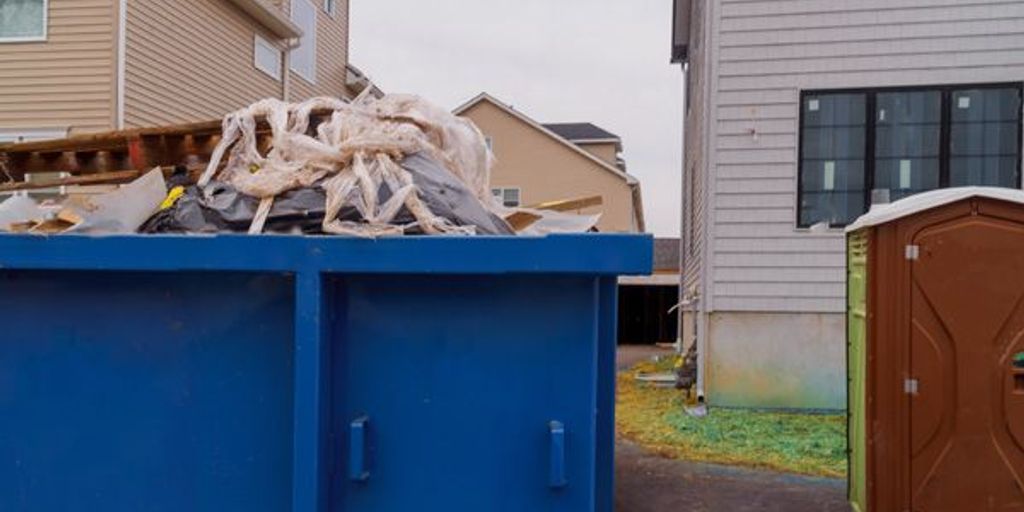
Dumpster size for roofing

When tackling a roofing project, one of the most important decisions you’ll make is choosing the right dumpster size. Whether it’s a small repair or a complete tear-off, having the correct dumpster ensures efficient waste management, saves costs, and keeps your project on track. Key Takeaways Different roofing projects require different dumpster sizes, ranging from 10 to 40 yards. Estimating the volume and weight of roofing debris is essential for selecting the right dumpster. The type of roofing material, such as asphalt shingles or concrete tiles, impacts the dumpster size needed. Properly loading and maximizing dumpster space can enhance project efficiency and reduce costs. Avoiding overfilled dumpsters helps prevent additional fees and ensures safety. Understanding Dumpster Sizes for Roofing Projects Common Dumpster Sizes When planning a roofing project, it’s crucial to choose the right dumpster size. Selecting the correct size can save you time and money. Here are some common dumpster sizes and their typical uses: Dumpster Size Usage Approx. Capacity 10-yard Small roofing repairs or partial tear-offs 2,000 sq. ft. of roofing debris 15-yard Small to medium-sized roofing projects 3,000 sq. ft. of roofing debris 20-yard Medium-sized projects like single-layer roof tear-offs 4,000 sq. ft. of roofing debris 30-yard Larger roofing projects or homes with multiple layers 6,000 sq. ft. of roofing debris 40-yard Commercial roofing projects or extensive replacements 8,000 sq. ft. of roofing debris Factors Influencing Size Choice Several factors can influence your choice of dumpster size: Roof size: Larger roofs generate more debris. Material type: Heavier materials like concrete tiles require larger dumpsters. Number of layers: More layers mean more waste. Benefits of Choosing the Right Size Choosing the right dumpster size offers several benefits: Cost Efficiency: Avoid extra fees for overweight dumpsters. Project Efficiency: Streamline your project by having the right capacity on-site. Environmental Impact: Properly sized dumpsters reduce the number of trips needed, lowering fuel consumption and emissions. For smaller commercial renovations, a 20 or 30-yard dumpster could be adequate. In construction, it’s essential to consider the types of materials. Heavy debris like concrete tiles may require larger dumpsters. By understanding these factors, you can make an informed decision and ensure your roofing project runs smoothly. Estimating Roofing Debris Volume Calculating Roof Area To start, you need to figure out the total area of your roof. Measure the length and width of each section and multiply them to get the square footage. If your roof has multiple sections, add up the square footage of each section to get the total area. This is important because it helps you understand the scope of your project. Estimating Material Volume Once you know the total roof area, you can estimate the volume of materials you’ll need to dispose of. Different roofing materials have different weights. For example, asphalt shingles weigh around 250 to 300 pounds per square (100 square feet). Multiply the weight of the material by the number of squares to get the total weight. Adjusting for Multiple Layers If your roof has multiple layers of shingles, you’ll need to adjust your calculations. Each additional layer adds more weight. For instance, if you have two layers of asphalt shingles, double the weight you calculated for one layer. This ensures you choose a dumpster that can handle the total weight of your roofing debris. Estimating the volume of roofing debris accurately helps you avoid overage costs and ensures you rent the right size dumpster for your project. Types of Roofing Materials and Their Impact on Dumpster Size Asphalt Shingles Asphalt shingles are the most common roofing material. They are lightweight and easy to install. For 3-tab shingles, a 20-yard dumpster is usually enough for up to 40 squares. However, for architectural shingles, which are heavier, you might need a 30-yard dumpster for about 30 squares. Cedar Shakes Cedar shakes are heavier and bulkier than asphalt shingles. A 30-yard dumpster is typically required to handle around 30 squares of cedar shakes. This size helps manage the extra weight and volume effectively. Concrete Tiles Concrete tiles are the heaviest roofing material. A 40-yard dumpster is often necessary for every 20 squares of concrete tiles. This ensures you don’t exceed weight limits and can handle the substantial volume. When planning your roofing project, always consider the type of material and its weight to choose the right dumpster size. This helps in efficient waste management and avoids extra costs. Roofing Material Recommended Dumpster Size Approx. Capacity (Squares) 3-Tab Shingles 20-yard 40 Architectural Shingles 30-yard 30 Cedar Shakes 30-yard 30 Concrete Tiles 40-yard 20 Choosing the right dumpster size for your roofing material ensures efficient waste management and cost savings. Weight Considerations for Roofing Debris Average Weights of Common Materials When planning a roofing project, it’s crucial to understand the weight of the materials you’ll be disposing of. Here’s a quick guide to the average weights of common roofing materials per 100 square feet: Asphalt Shingles: 1.95 to 4.25 lbs Wood Shingles: 4.5 lbs Slate: 10 lbs Clay Tile: 12-20 lbs Concrete Tile: 8 to 10 lbs Copper: 0.85 lbs Aluminum: 0.50 lbs Remember, the weight can vary based on the type and quality of the material. For instance, 3-tab shingles are generally lighter than architectural shingles. Impact of Weight on Dumpster Choice Choosing the right dumpster size is not just about volume but also about weight. Metal roofing, while lighter than asphalt, can still take up significant space. Overloading a dumpster can lead to extra fees, so it’s essential to estimate the weight accurately. Avoiding Overweight Fees Overage costs can be as high as $120 per ton in some areas, though $50-$80 per ton is typical. To avoid these fees, estimate the weight of your debris first and then choose the appropriate dumpster size. Here’s a quick reference for common dumpster sizes and their weight limits: Size of Roof (3-Tab Shingles) Estimated Weight of Debris Recommended Dumpster Size 15 square 3,750-6,000 lbs 10 yard 20 square 5,000-8,000 lbs 20 yard 25 square 6,250-10,000 lbs 20 yard 30 square 7,500-12,000 lbs

Dumpster size for roofing Read More »
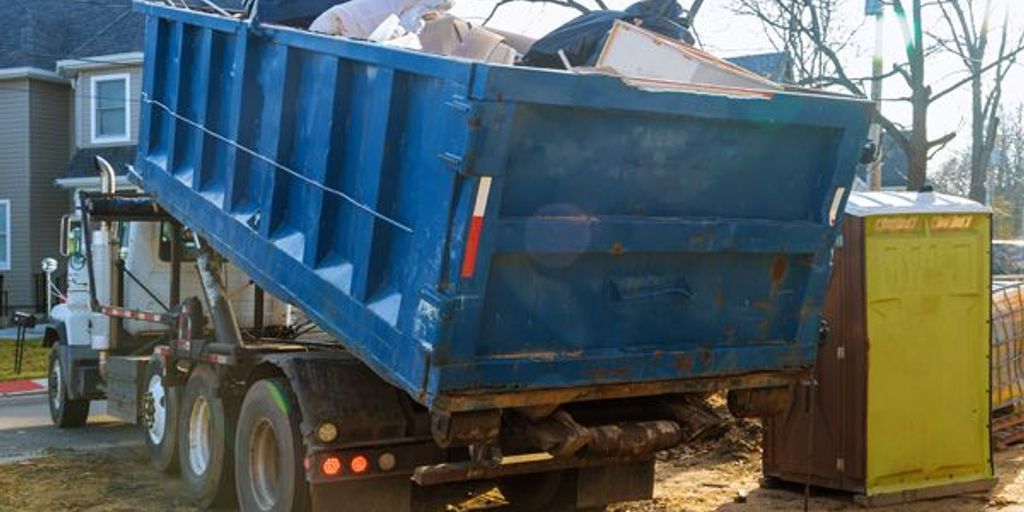
10-yard dumpster dimensions

A 10-yard dumpster is a popular choice for many small to medium-sized projects. It’s compact yet spacious enough to handle a variety of materials, making it versatile for different types of jobs. Whether you’re tackling a home renovation, a landscaping project, or a minor construction job, understanding the dimensions and uses of a 10-yard dumpster can help you plan better and save time. Key Takeaways A 10-yard dumpster is typically 12 feet long, 8 feet wide, and 4 feet high. It can hold about 10 cubic yards of material, which is roughly equivalent to 50-70 trash bags. Ideal for small residential projects, minor construction jobs, and landscaping tasks. Weight limits usually range from 2 to 3 tons, depending on the rental company. Always check for prohibited items like hazardous waste and electronic waste before loading. Understanding the Dimensions of a 10-Yard Dumpster Standard Measurements A 10-yard dumpster typically measures 14 feet long, 7.5 feet wide, and 3.5 feet high. These measurements can vary slightly depending on the manufacturer, but the overall volume remains consistent. This size is perfect for small to medium projects, fitting comfortably in most driveways. Capacity in Cubic Yards The name "10-yard dumpster" comes from its capacity to hold 10 cubic yards of material. This is equivalent to about 50-70 contractor-style 33-gallon trash bags. It’s an ideal choice for projects that generate a moderate amount of waste, such as minor home renovations or cleanouts. Weight Limits A 10-yard dumpster can typically hold between 2 to 3 tons of debris, which is about 4,000 to 6,000 pounds. This weight limit includes the disposal costs, making it a cost-effective option for many projects. However, it’s important to be mindful of the weight of your debris, as exceeding the limit can result in additional charges. When selecting a dumpster, understanding dimensions and weight limits is crucial for ensuring efficiency and cost-effectiveness. Ideal Uses for a 10-Yard Dumpster Residential Projects A 10-yard dumpster is perfect for various residential projects. Whether you’re cleaning out your garage, attic, or basement, this dumpster size can handle the job. It’s also ideal for small home renovations, like a bathroom or kitchen remodel. You can easily dispose of old furniture, appliances, and other household items. Small Construction Jobs For small construction jobs, a 10-yard dumpster is a great choice. It can hold materials like drywall, wood, and flooring. If you’re working on a minor construction project, such as building a small deck or repairing a section of your driveway, this dumpster will meet your needs. Landscaping and Yard Work When it comes to landscaping and yard work, a 10-yard dumpster is very useful. You can use it to dispose of tree branches, shrubs, and other yard waste. It’s also handy for removing a brick patio or a concrete walkway. This dumpster can handle heavy debris like dirt, brick, and asphalt, making your outdoor projects much easier. Comparing 10-Yard Dumpsters to Other Sizes 10-Yard vs. 15-Yard Dumpsters When deciding between a 10-yard and a 15-yard dumpster, consider the size and scope of your project. A 10-yard dumpster typically measures 14 feet long, 7.5 feet wide, and 3.5 feet high, making it ideal for small home improvement projects or minor cleanouts. On the other hand, a 15-yard dumpster is slightly larger, measuring 16 feet long, 7.5 feet wide, and 4.5 feet high. This extra space can be beneficial for medium-sized renovations or larger cleanouts. Size Dimensions Capacity (Trash Bags) 10-Yard 14′ x 7.5′ x 3.5′ 50-70 15-Yard 16′ x 7.5′ x 4.5′ 80-100 10-Yard vs. 20-Yard Dumpsters A 20-yard dumpster is a popular choice for larger projects. It measures 22 feet long, 7.5 feet wide, and 4.5 feet high, offering significantly more space than a 10-yard dumpster. This size is perfect for big renovations, construction debris, or large cleanouts. If your project involves a substantial amount of waste, the 20-yard option might be more suitable. Size Dimensions Capacity (Trash Bags) 10-Yard 14′ x 7.5′ x 3.5′ 50-70 20-Yard 22′ x 7.5′ x 4.5′ 110-130 Choosing the Right Size Selecting the right dumpster size depends on the volume and type of waste you need to dispose of. For small projects like minor home renovations or yard cleanups, a 10-yard dumpster is usually sufficient. However, for larger projects such as major renovations or construction, a 20-yard dumpster might be necessary. Massie Services offers a 20-yard roll-off dumpster, ideal for various projects from residential to construction. Always consider the nature of your project and consult with a professional if you’re unsure about the size you need. Materials Suitable for a 10-Yard Dumpster A 10-yard dumpster is versatile and can handle a variety of materials. Here are some common types of waste that are suitable for this size of dumpster: Household Items A 10-yard dumpster is perfect for disposing of household junk. This includes old furniture, broken appliances, and general clutter from your home. It’s a great option for decluttering projects or small home renovations. Construction Debris For smaller construction jobs, a 10-yard dumpster can handle materials like drywall, wood, and tiles. It’s also suitable for heavier debris such as bricks and concrete. When dealing with construction, it’s essential to consider the types of materials you’ll be disposing of. Yard Waste If you’re working on a landscaping project, a 10-yard dumpster can hold yard waste like branches, leaves, and grass clippings. It’s also useful for removing dirt, stumps, and other organic materials from your yard. Remember, always check with your local waste management service to ensure that the materials you plan to dispose of are accepted in your area. Prohibited Items for a 10-Yard Dumpster When renting a 10-yard dumpster, it’s crucial to know what items are not allowed. Improper disposal can lead to extra fees or legal issues. Here are the main categories of prohibited items: Hazardous Materials Hazardous materials are strictly forbidden in 10-yard dumpsters. These include: Aerosol cans Batteries Chemical products Asbestos Propane tanks These items pose significant risks to both the environment and human health. Always check

10-yard dumpster dimensions Read More »

Dumpster capacity calculator tool

When tackling a big clean-up or construction project, knowing how much space you need for waste can be tricky. That’s where a dumpster capacity calculator comes in handy. This tool helps you figure out the right size dumpster for your needs, making your project smoother and more efficient. Key Takeaways A dumpster capacity calculator helps you choose the right size dumpster for your project. Different types of dumpsters, like roll-off, front load, and compactor dumpsters, have different capacities. The type of debris and its weight can affect how much waste a dumpster can hold. Using a capacity calculator can save you money by avoiding overage fees. Proper waste disposal and recycling are important for environmental protection. Understanding Dumpster Capacity Calculators Why Use a Dumpster Capacity Calculator A dumpster capacity calculator is a handy tool that helps you figure out the right size of dumpster for your project. Using this tool can save you time and money by ensuring you don’t rent a dumpster that’s too big or too small. It takes into account the type and amount of waste you have, making the process much simpler. How Dumpster Capacity is Measured Dumpster capacity is usually measured in cubic yards. To calculate the dumpster size, multiply the waste amount by the density of the waste material. For example, if you have a lot of heavy materials like concrete, you’ll need a larger dumpster compared to lighter materials like leaves or paper. Benefits of Accurate Capacity Calculation Accurate capacity calculation has several benefits: Cost Efficiency: Renting the right size dumpster means you won’t pay for more space than you need. Environmental Impact: Properly sized dumpsters reduce the number of trips needed to dispose of waste, lowering fuel consumption and emissions. Convenience: Knowing the exact size helps in planning and executing your project smoothly. Using a dumpster capacity calculator ensures you get the right size dumpster, making your project more efficient and cost-effective. Types of Dumpsters and Their Capacities Roll-Off Dumpsters Roll-off dumpsters are commonly used for large projects like home remodeling or construction. They come in various sizes, typically ranging from 10 to 40 yards. Smaller dumpsters are perfect for residential tasks such as landscaping, while larger options are ideal for home remodeling and demolition. These dumpsters are delivered on a truck and rolled off into place. Front Load Dumpsters Front load dumpsters are often used by businesses for regular waste collection. They range from 2 to 8 yards in capacity. These dumpsters are picked up by a truck with a front-loading mechanism. The standard width is about 6 to 7 feet, and they can handle a variety of waste types. Compactor Dumpsters Compactor dumpsters are designed for high-volume waste. They can hold up to 20 tons of debris, making them suitable for large commercial projects. These dumpsters compact the waste, allowing for more efficient use of space. They are ideal for disposing of heavy materials like concrete or large amounts of general waste. Factors Affecting Dumpster Capacity Type of Debris The type of debris you plan to dispose of plays a significant role in determining the dumpster capacity you need. For instance, a dumpster filled with tree branches will be lighter than one filled with broken concrete. Choosing the right dumpster size depends on various factors, including the type and volume of waste, as well as specific project requirements. Weight Limits Each dumpster comes with a weight limit, which is crucial to consider. Landfills charge disposal costs based on weight, typically by the ton. Exceeding the weight limit can result in overage fees. Here’s a quick reference for common weight limits: Dumpster Size Weight Limit (tons) 10-yard 2-4 20-yard 4-6 30-yard 6-8 40-yard 8-10 Volume vs. Weight While a dumpster’s volume is measured in cubic yards, the weight of the debris can significantly impact the actual capacity. For example, a 10-yard dumpster filled with heavy materials like concrete may reach its weight limit before it is full. Always consider both volume and weight to avoid extra costs and ensure safe transportation. It’s essential to balance both volume and weight when selecting a dumpster to avoid overage fees and ensure efficient waste management. How to Use a Dumpster Capacity Calculator Step-by-Step Guide Using a dumpster capacity calculator is simple and can save you a lot of trouble. Here’s a quick guide: Gather Information: Collect details about the type and amount of debris you have. This includes the type of materials and their estimated weight. Input Data: Enter the information into the calculator. Most tools will ask for the type of debris and its volume or weight. Review Results: The calculator will provide an estimate of the dumpster size you need. Double-check the results to ensure they match your project requirements. Select Dumpster: Choose the dumpster size based on the calculator’s recommendation. If in doubt, consult with the rental company. Common Mistakes to Avoid Avoid these pitfalls to ensure an accurate calculation: Underestimating Debris: Always overestimate rather than underestimate the amount of debris. Ignoring Weight Limits: Be mindful of weight limits, especially for heavy materials like concrete or dirt. Not Considering All Debris Types: Include all types of debris in your calculation to avoid surprises. Tips for Accurate Calculation For the best results, keep these tips in mind: Use Multiple Calculators: Cross-check results from different calculators for accuracy. Consult Experts: If unsure, consult with the rental company for expert advice. Regular Updates: Update your calculations as your project progresses to ensure you stay within limits. Accurate calculations can save you from overage fees and ensure a smooth project execution. Choosing the Right Dumpster Size for Your Project Residential Projects When tackling a home renovation or a big clean-up, picking the right dumpster size is crucial. The most common sizes include 10-yard, 20-yard, 30-yard, and 40-yard dumpsters. Each size serves different needs and project scales. For instance, a 10-yard dumpster is perfect for small projects like garage cleanouts or minor renovations. On the other hand, a 20-yard dumpster can handle larger tasks such

Dumpster capacity calculator tool Read More »

Small dumpster for bathroom

Remodeling a bathroom can be both exciting and challenging. One of the key aspects to consider is how to manage the waste generated from the project. A small dumpster can be a perfect solution for handling bathroom renovation debris efficiently. This article will guide you through the benefits, types of waste suitable, and tips for renting and using a small dumpster for your bathroom project. Key Takeaways A small dumpster is ideal for managing waste from bathroom renovations. It is cost-effective and easier to place in tight spaces. Small dumpsters can handle various types of waste like old fixtures, tiles, and construction debris. Choosing the right size and understanding rental agreements is crucial. Proper loading and disposal techniques are important for safety and efficiency. Choosing the Right Size Dumpster for Your Bathroom Remodel Assessing the Scope of Your Project Before you pick a dumpster, you need to figure out how big your bathroom remodel is. Are you just changing a few fixtures, or are you tearing down walls? Knowing the scope of your project helps you decide the right dumpster size. Common Dumpster Sizes for Bathroom Renovations Dumpsters come in different sizes, usually measured in cubic yards. Here are some common sizes: Dumpster Size Ideal For 6 cubic yards Small bathrooms or half-baths 10 cubic yards Medium-sized bathrooms 20 cubic yards Large bathrooms or multiple bathrooms Factors to Consider When Selecting a Dumpster Size When choosing a dumpster, think about these factors: Volume of Debris: Estimate how much waste you’ll produce. This includes old tiles, fixtures, and drywall. Type of Waste: Some materials, like concrete, take up more space. Space for the Dumpster: Make sure you have enough room to place the dumpster near your home. Picking the right dumpster size can save you time and money. It ensures you have enough space for all your waste without needing multiple trips to the dump. By considering these points, you can choose the perfect dumpster for your bathroom remodel and make the process smoother. Benefits of Using a Small Dumpster for Bathroom Projects Cost-Effectiveness Using a small dumpster for your bathroom remodel can be very cost-effective. You won’t need to pay for a larger dumpster that you don’t fully use. This can save you money, especially if your project is small. Plus, many waste management companies offer competitive rates for smaller dumpsters. Ease of Placement Small dumpsters are easier to place in tight spaces. They can fit in your driveway or even in your yard without taking up too much room. This makes them ideal for projects in smaller homes or urban areas where space is limited. Environmental Benefits Using a small dumpster can also be better for the environment. Smaller dumpsters encourage you to be more mindful of the waste you generate. This can lead to better recycling practices and less waste overall. Additionally, smaller dumpsters require fewer trips to the landfill, reducing your carbon footprint. Renting a small dumpster from a reliable company like Massie Services in Virginia Beach, Virginia, can make your bathroom remodel easier and more efficient. Types of Waste Suitable for Small Dumpsters Construction Debris Small dumpsters are perfect for handling construction debris from bathroom remodels. This includes materials like broken tiles, drywall, and small amounts of concrete. These dumpsters can also handle wood scraps and other minor construction waste. Old Fixtures and Fittings When you update your bathroom, you’ll likely remove old fixtures and fittings. Items such as sinks, toilets, and bathtubs can be easily disposed of in a small dumpster. Even smaller fittings like faucets and showerheads are suitable for these containers. Tile and Flooring Materials Replacing your bathroom floor generates waste like old tiles and flooring materials. Small dumpsters are ideal for collecting these items, making your renovation project cleaner and more organized. Using a small dumpster for your bathroom remodel ensures that all waste is managed efficiently, keeping your project on track and your workspace tidy. How to Rent a Small Dumpster for Your Bathroom Finding a Reliable Rental Company Start by looking for a trusted dumpster rental company. Check online reviews and ask friends or family for recommendations. Make sure the company has experience with bathroom remodels. Understanding Rental Agreements Before you sign anything, read the rental agreement carefully. Look for details about the rental period, costs, and any extra fees. If you have questions, ask the company to explain. Scheduling Delivery and Pickup Plan the delivery and pickup times to fit your project schedule. Most companies offer flexible options, so choose times that work best for you. Make sure the dumpster will be placed in a convenient spot. Tips for Efficiently Using a Small Dumpster Maximizing Space To make the most of your small dumpster, break it down: bulky items like furniture or cardboard boxes can be disassembled or broken down to create more space within the dumpster. Layer like a pro: for example, place flat items at the bottom and stack smaller items on top. Properly Disposing of Hazardous Materials Always separate hazardous materials from regular waste. Items like paint, batteries, and certain chemicals need special handling. Check local guidelines to ensure you’re disposing of these items correctly. Avoiding Overloading It’s crucial not to overload your dumpster. Overloading can lead to extra fees and make it difficult for the rental company to pick up the dumpster. Keep waste below the fill line and distribute weight evenly to avoid tipping. Efficient use of a small dumpster can save you time and money while keeping your project site clean and safe. Common Mistakes to Avoid When Renting a Small Dumpster Underestimating the Amount of Waste One of the most common mistakes is underestimating the amount of waste your project will generate. This can lead to overflowing dumpsters and additional costs for extra pickups or rentals. Always err on the side of caution and consider renting a slightly larger dumpster if you’re unsure. Ignoring Local Regulations Many people overlook local regulations when renting a dumpster. Different areas have specific rules about

Small dumpster for bathroom Read More »

Largest dumpster rental available

When you have a big project, like a home renovation or a large construction job, you need a dumpster that can handle all the waste. Renting a large dumpster can make your cleanup easier and more efficient. This guide will help you understand the largest dumpster rental options and how to choose the right one for your needs. Key Takeaways There are various types of large dumpsters available for different needs, including recycling bins and open-top containers with lids. Residential roll-off dumpsters come in sizes from 10 to 40 yards, suitable for projects from small cleanups to large renovations. Commercial roll-off dumpsters are designed for businesses and can handle large volumes of waste cost-effectively. Construction dumpsters are built to handle heavy debris and come with special features to minimize environmental impact. Massie Services Dumpster Rental Company offers a wide range of dumpster sizes and provides exceptional customer service at competitive prices. Understanding the Largest Dumpster Rental Options Types of Large Dumpsters When it comes to large dumpster rentals, there are several types to choose from. The most common options include: Roll-off dumpsters: These are the most popular for large projects. They are delivered by truck and rolled off into place. Front-load dumpsters: Typically used by businesses, these dumpsters are emptied into a garbage truck using a front-loading mechanism. Compactor dumpsters: Ideal for businesses that generate a lot of waste, these dumpsters compact the trash to save space. Common Uses for Large Dumpsters Large dumpsters are versatile and can be used for various projects, such as: Construction projects: Perfect for disposing of construction debris, including wood, drywall, and concrete. Home renovations: Ideal for large-scale home improvement projects, like kitchen remodels or roof replacements. Disaster cleanup: Essential for cleaning up after natural disasters, such as floods or hurricanes. Benefits of Renting a Large Dumpster Renting a large dumpster offers several advantages: Convenience: Having a large dumpster on-site makes it easy to dispose of waste as you work. Cost-effective: Renting a dumpster can be more affordable than making multiple trips to the landfill. Efficiency: A large dumpster can hold a significant amount of waste, reducing the need for frequent emptying. For projects generating a lot of waste, selecting the right size dumpster is crucial. Massie Services offers a range of sizes, including 20-yard, 40-yard, and 45-yard containers, with capacities ranging from 6 to 25 tons. Their experienced staff can help you choose the best option for your needs. Choosing the right dumpster size can save you time and money. If you’re unsure, it’s always a good idea to consult with experts who can guide you based on your specific project requirements. Choosing the Right Size for Your Project Factors to Consider When picking a dumpster size, think about the type and amount of waste you’ll have. Different projects create different kinds of waste, so it’s important to match the dumpster to your needs. For example, a home renovation might need a smaller dumpster than a big construction job. Project Types and Dumpster Sizes Here are some common projects and the dumpster sizes that work best for them: Small cleanouts: 10-yard dumpster Medium-sized projects: 20-yard dumpster Large construction jobs: 30-yard or 40-yard dumpster Consulting with Experts If you’re not sure which size to pick, it’s a good idea to talk to experts. They can help you choose the right size so you don’t end up with too much or too little space. Massie Services offers a range of sizes from 10 to 40 yards and can provide expert advice on size selection. Picking the right dumpster size can save you time and money. Make sure to consider all factors and consult with professionals if needed. Residential Roll-Off Dumpsters Ideal Projects for Residential Use Residential roll-off dumpsters are perfect for various home projects. Whether you’re decluttering your home, remodeling, or tackling a big yard project, these dumpsters make waste management easy. They are also great for cleaning out basements, garages, and attics. Available Sizes and Capacities Massie Services offers a range of dumpster sizes to fit your needs: Dumpster Size Dimensions (L x W x H) Ideal For 10 Yard 11.5′ x 6′ x 5.25′ Small cleanouts and minor renovations 15 Yard 11.5′ x 6′ x 5.25′ Medium-sized projects like room remodels 20 Yard 23′ x 8′ x 4.5′ Larger renovations and cleanouts 30 Yard 23′ x 8′ x 6′ Major home additions and construction 40 Yard 24′ x 8′ x 8′ Large-scale projects and bulky items Delivery and Pickup Services Massie Services ensures timely delivery and pickup of your dumpster. Our team will work with you to schedule a convenient drop-off and pick-up time, minimizing disruption to your daily routine. We also offer flexible rental periods to suit your project timeline. Renting a residential roll-off dumpster from Massie Services is a convenient and cost-effective way to manage waste for your home projects. Our reliable service and variety of sizes ensure you get the right dumpster for your needs. Commercial Roll-Off Dumpsters Popular Sizes for Businesses Massie Services offers a range of commercial roll-off dumpsters tailored for businesses of all sizes. The most common sizes include: 10-yard dumpsters: Ideal for small cleanouts and minor renovation projects. 20-yard dumpsters: Suitable for medium-sized projects like office cleanouts or small construction jobs. 30-yard dumpsters: Perfect for larger projects such as building renovations or large retail cleanouts. 40-yard dumpsters: Best for major construction projects and large-scale cleanouts. These dumpsters provide efficient waste management solutions, ensuring safe and cost-effective disposal. Cost-Effective Waste Management Using commercial roll-off dumpsters is a cost-effective way to manage large volumes of waste. They offer a safe and secure method of collection and disposal, which can be more affordable than other methods like skip hire services or manual labor. Additionally, the convenient access points make them easy to use, providing flexibility in terms of size depending on the type and volume of material that needs disposing. Safety and Compliance Safety and compliance are crucial when dealing with commercial waste. Massie Services ensures that all their

Largest dumpster rental available Read More »

Dumpster size comparison chart

Choosing the right dumpster size is crucial for efficiently managing waste from different projects. Whether you’re cleaning out your garage, undertaking a major construction job, or working on a commercial project, the size of the dumpster you select can make a big difference. This guide will help you understand the various dumpster sizes available and how to choose the right one for your needs. Key Takeaways Dumpsters come in various sizes, typically ranging from 10-yard to 50-yard containers, to suit different project needs. A 20-yard dumpster is the most popular choice due to its versatility and affordability for medium-sized projects. Weight limits vary by dumpster size; heavier materials like concrete may require a sturdier container. Custom-sized dumpsters are available for unique projects that don’t fit standard sizes. Selecting the right dumpster size involves assessing the type and volume of waste, as well as the available space for placement. Understanding Dumpster Sizes When it comes to choosing the right dumpster for your project, understanding dumpster dimensions and weight limits is crucial. This ensures you select the right size for your needs, making your project more efficient and cost-effective. Common Dimensions Dumpsters come in various sizes, typically measured in cubic yards. Here are some standard dimensions: Dumpster Size Dimensions (L x W x H) 10 Yard 14 ft x 7.5 ft x 3.5 ft 20 Yard 22 ft x 7.5 ft x 4.5 ft 30 Yard 22 ft x 7.5 ft x 6 ft 40 Yard 22 ft x 7.5 ft x 8 ft Volume Capacity The volume capacity of a dumpster is measured in cubic yards. This tells you how much debris the dumpster can hold. For example, a 10-yard dumpster can hold 10 cubic yards of waste. Here’s a quick guide: 10-yard dumpster: Ideal for small cleanouts or minor renovation projects. 20-yard dumpster: Suitable for medium-sized renovation projects or large cleanouts. 30-yard dumpster: Best for major home additions or construction of a new home. 40-yard dumpster: Perfect for large construction projects or commercial cleanouts. Weight Limits Each dumpster size has a weight limit, which is important to consider to avoid overage fees. Here are the typical weight limits: Dumpster Size Weight Limit (lbs) 10 Yard 4,000 – 6,000 20 Yard 4,000 – 6,000 30 Yard 7,000 – 10,000 40 Yard 10,000 – 12,000 Choosing the right dumpster size not only helps in managing waste efficiently but also saves you from potential extra costs. Always consider the type and amount of waste you need to dispose of before making a decision. 10-Yard Dumpsters Ideal Projects 10-yard dumpsters are perfect for a variety of small-scale projects. Common uses include: Spring cleaning: Ideal for clearing out old furniture, appliances, and large amounts of trash. Dirt, brick, and concrete disposal: Perfect for yard waste removal or landscaping projects involving heavy materials. Moving and downsizing: Great for disposing of unwanted items before a move. Small construction projects: Suitable for building or demolishing a shed, or remodeling a single room. Dimensions and Capacity A 10-yard dumpster typically measures 10 feet long, 7 feet wide, and 4 feet high. This size can hold up to 10 cubic yards of material, which is roughly equivalent to three pickup truck loads. Dimension Measurement Length 10 feet Width 7 feet Height 4 feet Capacity 10 cubic yards Weight Considerations While a 10-yard dumpster can hold a significant amount of material, it’s important to be mindful of weight limits. Overloading the dumpster can result in additional fees and potential damage. This size is ideal for heavy materials like dirt, brick, and concrete, as it helps avoid exceeding weight limits. For small projects, a 10-yard dumpster offers a convenient and efficient waste management solution. It’s spacious enough to handle a variety of materials without taking up too much space on your property. 20-Yard Dumpsters Popular Uses A 20-yard dumpster is perfect for a variety of projects. It’s great for home renovations and cleanouts. Here are some common uses: Roofing repairs: Ideal for disposing of roofing shingles. Large yard cleanups: Perfect for branches, leaves, and other yard waste. Full home cleanouts: Suitable for estate clearances and decluttering. Light demolition projects: Great for small teardown or demo projects. Dimensions and Capacity The dimensions of a 20-yard dumpster are typically 23 feet long, 8 feet wide, and 4.5 feet high. This size can hold up to 20 cubic yards of debris, which is about 6 to 10 tons of material. Dimension Measurement Length 23 feet Width 8 feet Height 4.5 feet Capacity 20 cubic yards Weight Considerations When renting a 20-yard dumpster, it’s important to consider the weight of the materials you’ll be disposing of. These dumpsters can handle between 6 to 10 tons of waste. Overloading the dumpster can lead to additional fees and potential damage. Always estimate the weight of your debris to avoid exceeding the dumpster’s capacity. This ensures safe and efficient disposal. For more information on weight capacities and selecting the right size for your project, visit our FAQs. 30-Yard Dumpsters Suitable Projects A 30-yard dumpster is perfect for a variety of projects that generate a lot of debris. Commonly used by contractors, these dumpsters are ideal for: Home additions: Building an extra room, expanding a kitchen, or constructing a new deck. Multi-room cleanouts: Great for large properties or hoarding situations. Demolition projects: Suitable for demolishing medium-sized structures like sheds, garages, or small commercial buildings. Community cleanups: Perfect for large-scale environmental cleanup initiatives. Dimensions and Capacity The typical dimensions of a 30-yard dumpster are 23 feet long, 8 feet wide, and 6 feet high. This size can hold about 30 cubic yards of material, which is roughly equivalent to 12 standard pickup truck loads. This makes it a versatile choice for both residential and commercial projects. Dimension Measurement Length 23 feet Width 8 feet Height 6 feet Capacity 30 cubic yards Weight Considerations When using a 30-yard dumpster, it’s important to consider the weight of the materials being disposed of. These dumpsters can handle heavy materials like bricks, metal, concrete,

Dumpster size comparison chart Read More »

Dumpster sizes and capacities

Choosing the right dumpster size is crucial for managing waste efficiently, whether it’s for a small home project or a large construction site. From front load dumpsters to roll-off containers, each type comes with its own set of dimensions and weight limits. Understanding these specifications helps ensure you pick the best option for your needs, avoiding overcharges and ensuring smooth operations. Key Takeaways Front load dumpsters come in various sizes, typically ranging from 2 to 8 yards, with weight limits between 4 to 10 tons. Compactor dumpsters are ideal for heavy-duty waste like medical or hazardous materials, with weight limits up to 20 tons. Commercial roll-off dumpsters are versatile, commonly available in sizes from 10 to 40 yards, making them suitable for various projects. Yard containers are perfect for landscaping and small residential projects, with sizes ranging from 10 to 40 yards. Construction dumpsters are built to handle heavy materials like concrete and dirt, available in sizes from 10 to 40 yards. Front Load Dumpster Dimensions and Weight Limits Common Sizes and Capacities Front load dumpsters come in various sizes to fit different needs. The most common sizes are: Size (Yards) Dimensions (ft) Weight Limit (lbs) 2 6 x 3 x 3 400 4 6 x 3 x 4 800 6 6 x 5 x 6 1,200 8 6 x 6 x 7 1,400 – 1,600 These sizes are ideal for various settings, from small offices to large warehouses. Weight Limits and Considerations Each dumpster size has a weight limit. Staying within these limits is crucial to avoid extra fees. For example, a 2-yard dumpster can hold up to 400 pounds, while an 8-yard dumpster can handle up to 1,600 pounds. Exceeding these limits can result in additional charges. Choosing the Right Front Load Dumpster When selecting a front load dumpster, consider the amount of waste you generate and the available space. Smaller dumpsters, like the 2-yard or 4-yard options, are perfect for tight spaces and small businesses. Larger dumpsters, such as the 6-yard or 8-yard, are better suited for properties with more space and higher waste output. Choosing the right size ensures efficient waste management and cost savings. If you’re unsure, consult with a dumpster rental service to find the best fit for your needs. Compactor Dumpster Dimensions and Weight Limits Available Sizes for Compactor Dumpsters Compactor dumpsters come in various sizes to handle different types of waste. These dumpsters are especially useful for large amounts of medical waste, hazardous waste, and demolition debris. Here are some common sizes: 10-yard: Ideal for small projects and tight spaces. 20-yard: The most popular choice for its balance of size and cost. 30-yard: Suitable for larger projects with more waste. 40-yard: Best for major construction or demolition projects. Weight Limits for Compactor Dumpsters Compactor dumpsters have higher weight limits compared to standard dumpsters. They can hold up to 20 tons of debris, making them perfect for heavy and bulky items. However, it’s important to note that disposing of hazardous items may incur additional costs due to specialized handling requirements. Dumpster Size Weight Limit (tons) 10-yard 1-2 20-yard 4 30-yard 7-10 40-yard 10-12 Applications for Compactor Dumpsters Compactor dumpsters are versatile and can be used for various applications: Medical waste disposal: Safely dispose of large amounts of medical waste. Hazardous waste management: Handle hazardous materials with care. Demolition debris: Efficiently manage debris from demolition projects. Large-scale cleanouts: Ideal for big cleanout projects, such as estate cleanouts or major renovations. Tip: Always consult your local waste management authority before disposing of hazardous materials to ensure compliance with regulations. Commercial Roll Off Dumpster Rentals Popular Sizes for Commercial Use Commercial roll off dumpsters come in various sizes to fit different project needs. The most common sizes are: 10-yard dumpsters: Ideal for small cleanouts or minor renovation projects. 20-yard dumpsters: The most popular choice, perfect for medium-sized projects like office cleanouts or small construction jobs. 30-yard dumpsters: Suitable for larger projects, such as building renovations or large-scale cleanouts. 40-yard dumpsters: Best for major construction projects or large-scale waste removal. Weight Capacities for Roll Off Dumpsters Each dumpster size has a specific weight limit. It’s important to know these limits to avoid extra fees: 10-yard dumpsters: Typically hold up to 2-3 tons of debris. 20-yard dumpsters: Can handle 3-4 tons of waste. 30-yard dumpsters: Usually support 4-5 tons of material. 40-yard dumpsters: Designed to carry 5-6 tons of debris. Selecting the Right Roll Off Dumpster Choosing the right dumpster size depends on the scope of your project. Here are some tips: Estimate the amount of waste: Consider the type and volume of debris your project will generate. Check weight limits: Ensure the dumpster can handle the weight of your waste to avoid additional charges. Consider space: Make sure you have enough space for the dumpster at your site. Consult with experts: If unsure, ask a dumpster rental company for advice on the best size for your needs. Selecting the right size for your project is crucial to avoid extra costs and ensure efficient waste management. Capacity of Yard Containers Sizes of Yard Containers Yard containers come in various sizes to fit different project needs. Here are some common sizes: Size (Cubic Yards) Dimensions (L x W x H) Estimated Capacity (Trash Bags) 10 14′ x 7.5′ x 3.5′ 50-70 15 16′ x 7.5′ x 4.5′ 80-100 20 22′ x 7.5′ x 4.5′ 110-130 30 22′ x 7.5′ x 6′ 170-190 40 22′ x 7.5′ x 8′ 230-250 Weight Limits for Yard Containers Each yard container size has a specific weight limit. Exceeding these limits can result in extra charges. Here are the typical weight limits: 10-yard container: 1-2 tons 15-yard container: 3 tons 20-yard container: 4 tons 30-yard container: 4-5 tons 40-yard container: 4-5 tons Ideal Uses for Yard Containers Different yard container sizes are suited for various projects: 10-yard containers: Great for small projects like garage cleanouts or minor landscaping. 15-yard containers: Ideal for medium-sized projects such as small home renovations or yard cleanups. 20-yard

Dumpster sizes and capacities Read More »

Dumpster sizes for demolition

When tackling a demolition project, choosing the right dumpster size is crucial. Whether you’re working on a small home renovation or a large construction site, the right dumpster can make the job easier and more efficient. In this article, we’ll explore the different dumpster sizes available and help you decide which one is best for your project. Key Takeaways Selecting the right dumpster size can save you time and money. 10-yard dumpsters are perfect for small projects like yard cleanups. 20-yard dumpsters are a popular choice for residential projects. 30-yard and 40-yard dumpsters are ideal for larger demolitions and commercial projects. Consulting with experts can help you choose the best dumpster for your needs. Understanding Different Dumpster Sizes Common Sizes Available Dumpsters come in various sizes to fit different project needs. Choosing the right size is crucial to avoid extra costs and ensure efficient waste disposal. Here are some common sizes: Dumpster Size Dimensions (L x W x H) Weight Limit 10 Yard 14 ft x 7.5 ft x 3.5 ft 4,000 – 6,000 lbs 15 Yard 16 ft x 7.5 ft x 4.5 ft 4,000 – 6,000 lbs 20 Yard 22 ft x 7.5 ft x 4.5 ft 4,000 – 6,000 lbs 30 Yard 22 ft x 7.5 ft x 6 ft 7,000 – 10,000 lbs 40 Yard 22 ft x 7.5 ft x 8 ft 10,000 – 12,000 lbs Factors Influencing Size Choice Several factors can influence your choice of dumpster size: Type of Debris: Different projects create different waste. For example, heavy materials like concrete need a sturdier dumpster. Total Volume: The amount of waste you have will determine the size you need. One cubic yard is roughly equal to 5-6 13-gallon trash bags. Delivery Location: If space is tight, you might need a smaller dumpster or a swap-out service. Benefits of Choosing the Right Size Picking the right dumpster size has several benefits: Cost Efficiency: Avoid paying for more space than you need or facing extra fees for overloading. Project Efficiency: Ensures smooth progress without interruptions for waste removal. Environmental Impact: Properly sized dumpsters help in better waste management and recycling. Selecting the right dumpster size is essential for keeping your project on track and within budget. Massie Services offers a range of construction dumpsters, or roll-off dumpsters, from 10 to 40 cubic yards, suitable for various projects. Smaller sizes are ideal for residential tasks, while larger sizes accommodate heavier materials like concrete. The team assists in selecting the right dumpster to ensure efficient waste disposal for construction sites. 10-Yard Dumpsters: Ideal for Small Projects Typical Uses A 10-yard dumpster is the perfect size for various projects. It’s great for small residential and commercial tasks. Common uses include: Dirt removal Heavy debris disposal Roofing jobs Home cleanouts Landscaping projects Weight and Volume Capacity A 10-yard dumpster can hold about 10 cubic yards of material. This is roughly the same as four standard pickup trucks. It can typically hold 50-60 33-gallon trash bags. This makes it ideal for handling heavy materials like concrete and dirt, ensuring you stay within weight limits. Cost Considerations Renting a 10-yard dumpster is usually cost-effective for small projects. Prices can vary based on location and rental duration. However, it’s often cheaper than renting a larger dumpster that you might not fully use. Always check with your rental company for the best rates and any additional fees. 15-Yard Dumpsters: Versatility for Medium Projects Common Applications A 15-yard dumpster is perfect for a variety of medium-sized projects. These include: Minor remodels Roofing jobs Home cleanouts Landscaping projects This size is especially useful for projects that need a slightly higher weight limit than a 10-yard dumpster. Weight Limits and Dimensions A 15-yard dumpster typically measures 8 feet wide, 14 feet long, and 4 feet high. It can hold the equivalent of 5 to 6 average-sized pickup truck loads of waste. This makes it ideal for handling heavier items like tubs and toilets during a bathroom remodel. Dimension Measurement Width 8 feet Length 14 feet Height 4 feet Pricing Information The cost of renting a 15-yard dumpster can vary based on location and rental duration. On average, you can expect to pay between $250 and $450 for a one-week rental. Be sure to check for any additional fees, such as overage charges or permits, to avoid unexpected costs. Renting a 15-yard dumpster offers a balance of capacity and cost, making it a versatile choice for many medium-sized projects. 20-Yard Dumpsters: Popular for Residential Use Suitable Projects A 20-yard dumpster is a great option for various residential projects. It’s commonly used for home cleanouts, minor remodels, and landscaping projects. This size is also ideal for roofing jobs and moderate construction tasks. Capacity and Weight Restrictions A 20-yard dumpster can hold up to 20 cubic yards of material, which is about the same as eight standard pickup truck loads. This makes it perfect for handling a wide range of debris types, from old furniture to roofing shingles. However, it’s important to be mindful of weight limits to avoid extra fees. Average Rental Costs The cost of renting a 20-yard dumpster can vary based on location and rental duration. On average, you can expect to pay between $300 and $500 for a one-week rental. Always check with your local rental company for the most accurate pricing. 30-Yard Dumpsters: Handling Larger Demolitions Best Use Cases A 30-yard dumpster is perfect for large demolition projects. These dumpsters are commonly used for: Roofing material removal Significant excavation Large-scale cleanups If you’re dealing with a big project, like a garage demolition or home construction, a 30-yard dumpster can make a difference. Volume and Weight Specifications A 30-yard dumpster typically measures 22 feet long, 7.5 feet wide, and 6 feet tall. It can hold between 7,000 to 10,000 pounds of debris. This makes it ideal for projects that generate a lot of waste. Dimension Measurement Length 22 feet Width 7.5 feet Height 6 feet Weight Capacity 7,000 – 10,000 pounds Cost Analysis The

Dumpster sizes for demolition Read More »

Dumpster sizes for apartments

Choosing the right dumpster size for an apartment complex can be tricky. You need to think about how much trash the tenants will make and the space available for the dumpster. This guide will help you understand the different sizes of dumpsters and which one is best for your apartment complex. Key Takeaways Picking the right dumpster size depends on how much trash your apartment complex produces. 2-yard dumpsters are great for small apartment complexes with fewer tenants. 4-yard dumpsters work well for places with moderate waste. 6-yard dumpsters are good for larger buildings with more tenants. 8-yard dumpsters are best for large complexes with a lot of trash. Understanding Different Dumpster Sizes for Apartments Choosing the right dumpster size for your apartment complex is crucial for efficient waste management. Dumpsters come in various sizes, each suited for different needs and capacities. Here, we’ll explore the factors that influence your choice, common sizes available, and the benefits of selecting the right one. Factors Influencing Dumpster Size Choice Several factors determine the appropriate dumpster size for your apartment complex: Number of Units: More units generally mean more waste. Type of Waste: Regular household waste, recyclables, or yard waste. Pickup Frequency: How often the dumpster is emptied. Space Availability: The physical space available for placing the dumpster. Common Dumpster Sizes for Apartments Here are some common dumpster sizes and their typical uses: Dumpster Size Ideal For Capacity (lbs) Dimensions (L x W x H) 2-Yard Small complexes (5-10 units) 400-500 6′ x 3′ x 3′ 4-Yard Medium complexes (10-20 units) 800-1000 6′ x 3′ x 4′ 6-Yard Large complexes (20-30 units) 1200-1400 6′ x 5′ x 6′ 8-Yard Very large complexes (30+ units) 1600-1800 6′ x 6′ x 7′ Benefits of Choosing the Right Size Selecting the right dumpster size offers several advantages: Cost Efficiency: Avoid overpaying for unused capacity. Convenience: Proper size ensures fewer pickups and less hassle. Environmental Impact: Efficient waste management can reduce your carbon footprint. Picking the right dumpster size is not just about capacity; it’s about making a smart choice that fits your specific needs and constraints. 2-Yard Dumpsters for Small Apartment Complexes Ideal Use Cases A 2-yard dumpster is perfect for small apartment complexes or properties with only a few tenants. This size is ideal for managing regular waste without taking up too much space. It’s also great for properties that have frequent pickups. Capacity and Dimensions The 2-yard dumpster can hold between 400 to 500 pounds of trash, which is about the same as a dozen 33-gallon bags. Here are the dimensions: Dimension Measurement Width 6 feet Depth 3 feet Height 3 feet Advantages and Limitations Advantages: Compact size makes it easy to fit in tight spaces. Suitable for properties with frequent waste pickups. Can be placed on wheels for easy mobility. Limitations: Not suitable for larger complexes with more tenants. Limited capacity may require more frequent pickups. For small apartment complexes, a 2-yard dumpster offers a convenient and efficient waste management solution. It ensures that waste is managed effectively without taking up too much space or requiring complex logistics. 4-Yard Dumpsters for Moderate Waste Disposal Typical Applications 4-yard dumpsters are perfect for moderate waste disposal needs. They are commonly used in small to mid-sized apartment complexes, accommodating waste from 10 to 20 units. These dumpsters are also ideal for small businesses and offices that generate a moderate amount of trash. Capacity and Dimensions A 4-yard dumpster typically measures 6 feet in width, 3 feet in depth, and 4 feet in height. It can hold up to 48 kitchen-sized trash bags, making it a suitable choice for properties with moderate waste output. The covered weight limit for these dumpsters is around 800 pounds, but this can vary by location. Dimension Measurement Width 6 feet Depth 3 feet Height 4 feet Capacity 48 kitchen-sized trash bags Weight Limit 800 pounds Pros and Cons Pros: Ideal for small to mid-sized apartment complexes Suitable for small businesses and offices Can handle moderate waste output Cons: Not suitable for large apartment complexes Weight limits can vary by location Choosing the right dumpster size ensures efficient waste management and helps avoid overflows and additional costs. For moderate waste disposal needs, a 4-yard dumpster is a practical and efficient choice. It balances capacity and size, making it a versatile option for various properties. 6-Yard Dumpsters for Larger Apartment Buildings Best Use Scenarios A 6-yard dumpster is perfect for apartment buildings that generate a lot of waste. These dumpsters can handle trash from multiple tenants, making them ideal for larger communities. They are a reliable and cost-effective waste removal solution. Capacity and Dimensions A 6-yard dumpster can hold between 1,200 to 1,400 pounds of trash. Here are the dimensions: Dimension Measurement Width 6 feet Depth 5 feet Height 6 feet This size can accommodate up to 72 kitchen-sized trash bags. Benefits and Drawbacks Benefits: Can handle large amounts of waste Suitable for multiple tenants Cost-effective for larger communities Drawbacks: Requires enough space on-site May need more frequent pickups if waste generation is very high For apartment buildings that produce a large amount of waste and have enough space on-site, a 6-yard dumpster is ideal. This size can hold up to 1,200-1,400 pounds of trash and can accommodate waste from multiple tenants. It’s a great solution for larger communities that need a more reliable and cost-effective waste removal service. 8-Yard Dumpsters for High-Volume Waste Ideal Situations An 8-yard dumpster is perfect for large apartment complexes or buildings with many tenants. This size is ideal for handling high-volume waste and can accommodate a significant amount of trash. It’s also suitable for commercial waste disposal, making it a versatile option for various needs. Capacity and Dimensions The 8-yard dumpster measures approximately 6 feet in width, 6 feet in depth, and 7 feet in height. It can hold up to 1,600 pounds of waste, which is about 96 kitchen-sized trash bags. Here’s a quick look at its specifications: Dimension Measurement Width 6 feet Depth 6

Dumpster sizes for apartments Read More »

Scroll to Top