Dumpster sizes for demolition
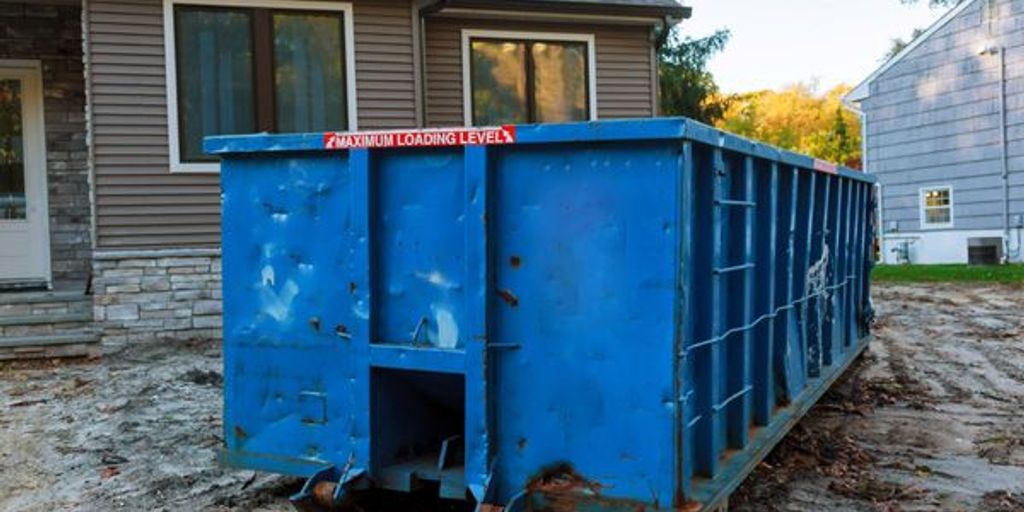
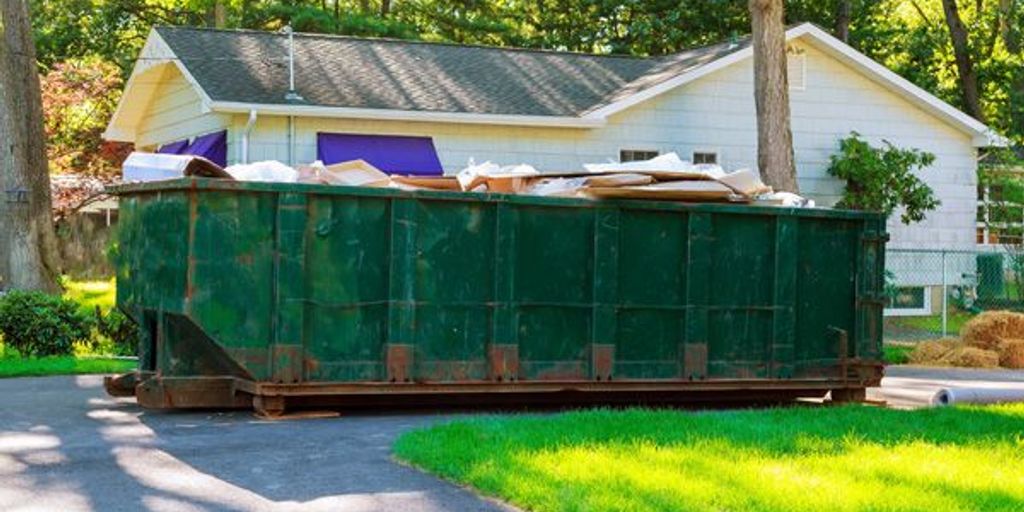
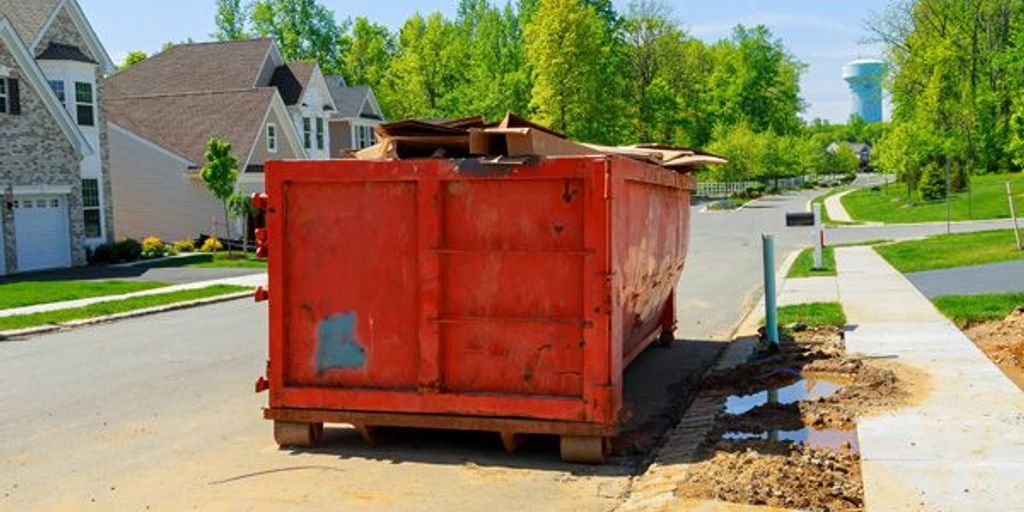
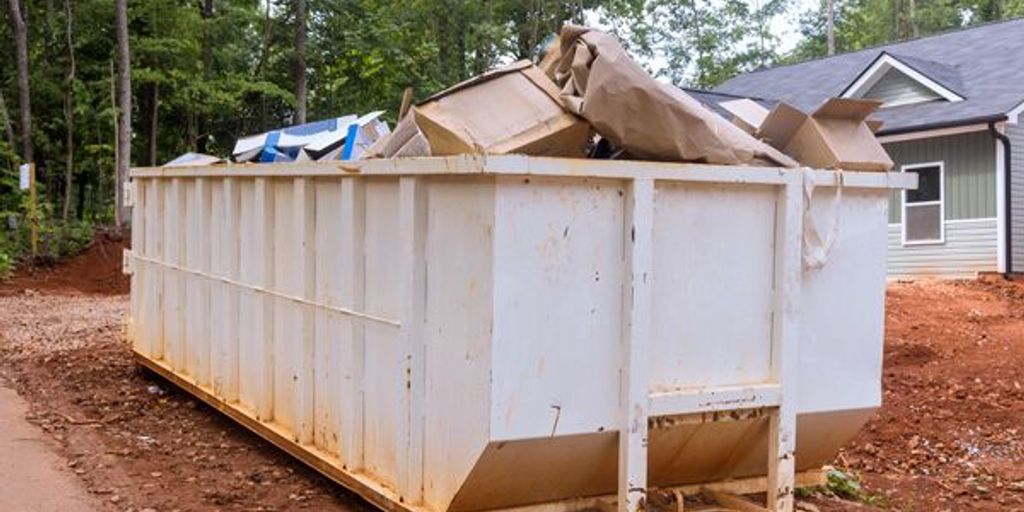
When you’re tackling a demolition project, choosing the right dumpster size is crucial. Whether you’re tearing down a small shed or demolishing an entire building, the right dumpster can make the job easier and more efficient. Understanding the various sizes available and their specific uses will help you make an informed decision. Key Takeaways Choosing the right dumpster size is essential for efficient demolition work. Small dumpsters are ideal for minor projects with less debris. Medium-sized dumpsters work well for moderate amounts of debris. Large dumpsters are necessary for major demolition projects with significant waste. Consider the type of debris and available space when selecting a dumpster size. Understanding Different Dumpster Sizes for Demolition When planning a demolition project, choosing the right dumpster size is crucial. Different projects require different dumpster sizes to handle the debris efficiently. Here’s a breakdown of the various sizes available and their ideal uses. Small Dumpsters for Minor Projects Small dumpsters, typically around 10 cubic yards, are perfect for minor demolition projects. These dumpsters can hold up to 4,000 pounds of debris, making them suitable for small-scale home renovations, household cleanings, and yard cleanups. They are also ideal for tight spaces where larger dumpsters can’t fit. Medium-Sized Dumpsters for Moderate Debris Medium-sized dumpsters, such as 20-yard containers, are the most popular choice for moderate demolition projects. They can hold up to 8,000 pounds of debris and are perfect for larger landscaping jobs, carpet or floor removal, and single-layer roof removal. These dumpsters strike a balance between capacity and space efficiency. Large Dumpsters for Major Demolitions For major demolition projects, large dumpsters are essential. These dumpsters, ranging from 30 to 40 cubic yards, can hold up to 12,000 pounds of debris. They are ideal for extensive home construction, garage demolitions, and community cleanup projects. While they require more space, they minimize the frequency of container removal, making your project more efficient. When selecting a dumpster size, always consider the type and amount of debris, as well as the space available for placement. This ensures you choose the most efficient option for your project. Factors to Consider When Choosing a Dumpster Size Type of Debris The kind of debris you need to dispose of plays a big role in picking the right dumpster. Heavy materials like bricks, metal, and appliances need larger dumpsters. Lighter materials, such as wood and drywall, can go in smaller ones. Amount of Trash Before renting a dumpster, it’s crucial to figure out how much trash you have. Start by looking at the size of the area you will clear and then estimate the volume of waste. This will help you choose the right dumpster size. If you’re unsure, you can always ask the rental company for advice. Space Available Think about where you will place the dumpster. If you have limited space, you might need a smaller dumpster. Make sure the dumpster won’t block any important areas or stick out into the road. If space is tight, ask about swap-out services to handle the debris. Picking the right dumpster size ensures your project runs smoothly and efficiently without any hiccups along the way. Common Dumpster Sizes and Their Uses When planning a demolition project, choosing the right dumpster size is crucial. Here are the most common dumpster sizes and their typical uses. 10-Yard Dumpsters A 10-yard dumpster is perfect for small projects. It can handle tasks like: Small renovations Minor excavation Light cleanups These dumpsters are compact and ideal for residential use. 20-Yard Dumpsters A 20-yard dumpster is a versatile option for moderate projects. It’s great for: Building waste removal Moderate excavation Furniture removal This size is common in small to medium-scale demolition projects. 30-Yard Dumpsters For larger projects, a 30-yard dumpster is often necessary. It can manage: Demolition debris Bulky items Large renovations This size is suitable for both residential and commercial construction. 40-Yard Dumpsters The 40-yard dumpster is the largest option available. It’s used for: Major demolitions Large construction projects Extensive cleanouts This size can handle the most substantial amounts of debris. Choosing the right dumpster size ensures your project runs smoothly and efficiently. Selecting the Right Dumpster for Construction Projects Choosing the right dumpster for your construction project is crucial for efficiency and cost-effectiveness. Different projects require different dumpster sizes to handle the specific types of debris generated. Here’s a guide to help you select the best dumpster for your needs. Residential Construction For home renovations or small building projects, a 10 to 20-yard dumpster is usually sufficient. These dumpsters can handle materials like wood, drywall, and small amounts of concrete. They fit well in driveways and are easy to access. Commercial Construction Larger projects, such as new building constructions or major remodels, often require 30 to 40-yard dumpsters. These dumpsters can accommodate a higher volume of debris, including metal, large pieces of wood, and other heavy materials. They are designed to handle the demands of commercial construction sites. Heavy Material Disposal If your project involves disposing of heavy materials like concrete, dirt, or bricks, you’ll need a dumpster that can handle the weight. A 20 to 30-yard dumpster is ideal for these types of materials. Make sure to check the weight limits with your rental company to avoid overloading. Selecting the right dumpster size ensures that your project runs smoothly and efficiently, without unnecessary delays or extra costs. Dumpsters for Landscaping and Yard Waste When tackling landscaping and yard waste projects, choosing the right dumpster size is crucial. Different projects require different dumpster sizes to handle the debris efficiently. Here’s a breakdown of what you need to know. Small Yard Projects For smaller yard projects, like trimming bushes or cleaning up leaves, a 10-yard dumpster is usually sufficient. These dumpsters can handle typical yard waste such as grass clippings, small branches, and leaves. Large Landscaping Jobs If you’re working on a larger landscaping project, such as removing trees or extensive garden renovations, you might need a 20-yard dumpster. This size can accommodate heavier and bulkier items like
Dumpster sizes for demolition Read More »